
HONOURING AN ESTEEMED PROFESSOR AND UNIVERSITY ADMINISTRATOR PROFESSOR JOSEPH ATUBOKIKI AJIENKA, PHD, PE, FAENG, FNSE, FNII, FNES, FIPS, FNIPETE, MSPE
HONOURING AN ESTEEMED PROFESSOR AND UNIVERSITY ADMINISTRATOR
PROFESSOR JOSEPH ATUBOKIKI AJIENKA, PHD, PE, FAENG, FNSE, FNII, FNES, FIPS, FNIPETE, MSPE
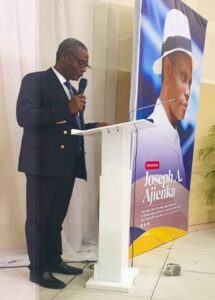
By Omowunmi Iledare, Ph.D., Snr. Fellow USAEE, Fellow NAEE, Fellow EI, Fellow NIPetE, Professor Emeritus in Petroleum Economics and Executive Director, Emmanuel Egbogah Foundation, Abuja, NG
PREAMBLE
I am honored to pay tribute to Professor Joseph Atubokiki Ajienka (PJAA), an esteemed academician and transformational leader. This op-ed celebrates his exceptional career and leadership qualities that made him unique as the Inaugural Director of the Institute of Petroleum Studies, the 7th Vice Chancellor of the University of Port Harcourt, and a key figure at the Nigerian University Commission. His roles included serving as the Emmanuel Egbogah Chair in Petroleum Engineering, Vice Chairman of the Emmanuel Egbogah Foundation, CEO of PetroNet-Africa, and Chairman at various councils. PJAA exemplified extraordinary, authoritative yet not authoritarian, and vision-oriented leadership.
PJAA LEADERSHIP MINDSETS
Transformational leadership involves the ability to inspire others to do more, become more, and achieve more. Professor Ajienka served as Vice Chancellor of the University of Port Harcourt and made significant contributions during his tenure. He focused on innovations, academic excellence, and institutional growth, helping Uniport attain a respectable position in global academia. He aimed to empower students, faculty, and the community to overcome challenges.
Gratefulness: PJAA’s leadership mindset exemplifies true wisdom through gratitude. He celebrated every milestone with thankfulness, acknowledging the support of colleagues, family, and collaborators. His recognition of others’ contributions fostered camaraderie and collective achievement.
Nobility: Professor Ajienka exemplified noble leadership through justice, fairness, and ethics. His tenure showed servant leadership by prioritizing others’ needs over personal ambition. His deeds, not titles, define his legacy of principled life and leadership.
PJAA’s expertise in Petroleum Production is renowned. He approaches challenges with analytical rigor and creative insight, providing effective, sustainable solutions. His guidance is valued by students, peers, and the industry, illuminating the path forward even in difficult times.
One of PJAA’s notable qualities is his embodiment of contentment, which contributes to tranquility. The factors enabling serenity in PJAA leadership academy are contentment and gratitude. He demonstrated that a life of purpose and gratitude is valuable. True fulfillment comes not from accumulating accolades or material possessions but from positively impacting others and living according to one’s values. He follows the principle of Dr. Emmanuel Egbogah, OON that prosperity without posterity is insignificant. The aim of living is to add value to others.
Final Remarks
As Professor Atubokiki Ajienka transitions into retirement, marking a significant milestone in his career, Professor Emeritus Omowunmi Iledare recognizes the contributions that PJAA has made to the academic community both in Nigeria and internationally. His work includes the introduction of the Tripple Helix Plus model for graduate education in Nigeria, which serves as an important development in the field.
PJAA’s influence extends far beyond the University of Port Harcourt, where he served as the 7th Vice Chancellor. Under his leadership, Uniport ranked sixth in Africa and first in Nigeria, surpassing even UI. A transformational leader, PJAA advocated a shift from transactional to transformational leadership for nation building. Although authoritative, he was not authoritarian. His vision to change the mindset of University Administrators aims to contribute to Nigeria’s prosperity through academia.
Professor Joseph Atubokiki Ajienka deserves national recognition for his transformative leadership and contributions to knowledge, especially in postgraduate oil and gas studies. Ajienka’s work in fostering intergenerational connections is appreciated by the academic community. We wish him a retirement filled with fulfilling moments on behalf of those who benefited from his decades of service.